Introduction
In today's globe, emergencies can strike anytime, and being prepared is essential. One of the crucial abilities that can save lives is cardiopulmonary resuscitation (CPR). Young adults stand for a crucial population that can be educated to react properly in emergency situations. By furnishing them with mouth-to-mouth resuscitation training, we not just encourage them with life-saving skills however also foster a culture of preparedness and duty. This short article checks out the significance of CPR training for teenagers, what to expect in first aid courses, and how these abilities contribute to their individual development and area safety.
Understanding CPR Training for Teens: Preparing the Future Generation for Emergencies
What is CPR?
Cardiopulmonary resuscitation (CPR) is a lifesaving strategy made use of during emergencies when someone's heart beat or breathing has quit. It includes breast compressions and rescue breaths that assist keep blood circulation to crucial organs till specialist medical aid gets here. Comprehending the basics of mouth-to-mouth resuscitation is important for teens that may discover themselves in emergency situations.
Why Do Teens Need CPR Training?
Teens are often at celebrations, sporting activities events, or perhaps home celebrations where emergencies could take place. By finding out CPR, they become positive members of their neighborhood that can act emphatically during dilemmas. The ability to perform CPR with confidence can turn a potentially unfortunate situation right into one where lives are saved.
Benefits of Emergency treatment Courses for Teens
First aid training courses do greater than simply teach participants how to offer prompt care; they impart confidence and reinforce analytical abilities. For teens, this experience can construct personality and motivate management top qualities.

- Empowerment: Expertise of first aid and mouth-to-mouth resuscitation encourages young people. Confidence Structure: Effectively finishing a program gives teens with a sense of achievement. Community Service: Trained teenagers can volunteer in various settings such as colleges or sporting activities teams.
The Framework of CPR Courses for Teens
Course Duration and Format
Most first aid courses are designed to fit within a couple of hours to a couple of days, depending upon the depth of training supplied. Usually, a basic first aid course will cover:
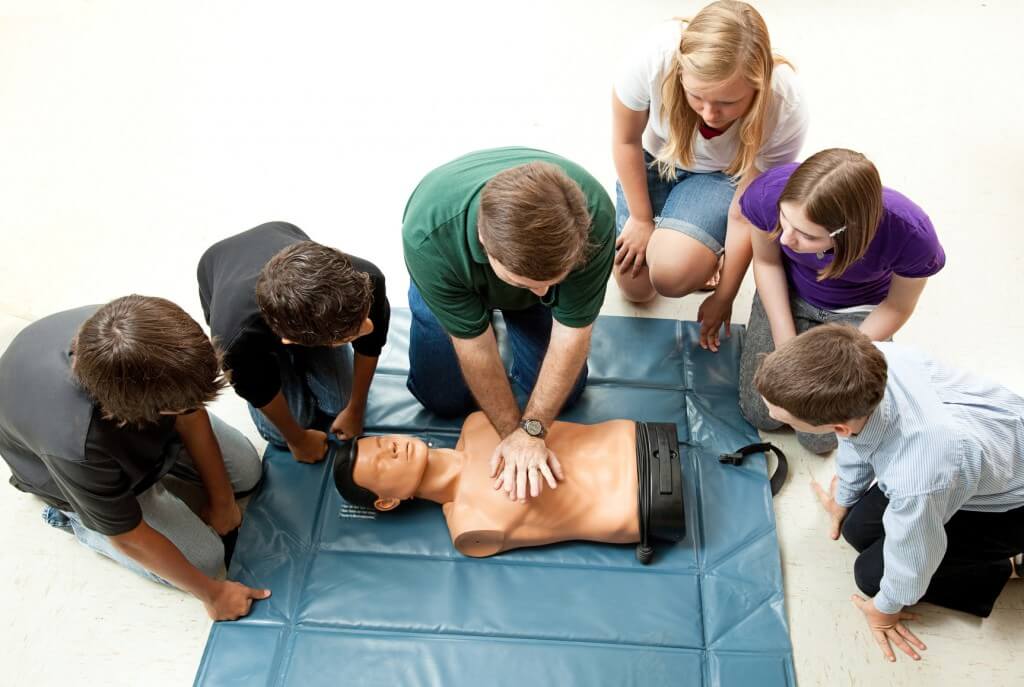
- Theory: The concepts behind emergency treatment techniques. Practical Skills: Hands-on experiment mannequins or through simulations.
Key Elements Covered in First Aid Courses
Understanding Emergency situation Situations- Recognizing when to call for help Assessing the scene for safety
- Performing high-grade breast compressions Providing rescue breaths correctly
- Learning how to operate an AED Importance of very early defibrillation
- Techniques for adults, children, and infants Recognizing indicators of air passage obstruction
- Cuts and scrapes Sprains and fractures
The Significance of Accreditation in Emergency Treatment Training
Obtaining Your Emergency treatment Certificate
Completing a first aid course typically Click here! finishes in getting a qualification that confirms your abilities. This certificate serves several functions:
- It shows proficiency in emergency situation response. Many organizations require qualification for involvement in certain events.
Keeping Certifications Current
Just like any kind of life ability, it is necessary to maintain your understanding up-to-date. Most organizations suggest restoring qualifications every two years.
How Teenagers Can Get Entailed with Emergency Treatment Training
Finding Neighborhood Emergency treatment Courses
Teenagers curious about obtaining their emergency treatment certificate must check into regional community centers, colleges, or health and wellness organizations that offer certified courses.
Helpful Resources:
- American Red Cross St John Ambulance Local health centers or health departments
Online vs In-Person Training Options
With developments in modern technology, online modules have actually ended up being preferred yet might do not have hands-on technique vital for really understanding strategies. A blended strategy-- incorporating on-line theory with functional sessions-- may be most beneficial.
Creating Recognition Among Peers concerning Mouth-to-mouth Resuscitation Training for Teenagers: Preparing the Future Generation for Emergencies
Peer Education and learning Initiatives
Encouraging teens to share what they have actually found out with their good friends can enhance the effect of training programs:
- Forming study groups concentrated on emergency situation preparedness. Hosting workshops at institutions or area centers.
Using Social media site as a Platform
Teens today are greatly involved on social media systems; making use of these channels can help spread out understanding regarding the significance of first aid training among peers.
Real-Life Stories That Emphasize the Relevance of CPR Educating for Teens
Case Study 1: Conserving a Life at College Sports Event
A teen learnt mouth-to-mouth resuscitation was able to save their friend's life throughout a soccer match when he fell down on the field because of heart attack. Their fast thinking enabled them to provide proper breast compressions till emergency situation solutions arrived.
Case Research 2: Family Emergency Situation at Home
Another instance entailed brother or sisters that had actually taken an emergency treatment course together. When their younger sibling mistakenly choked on food during dinner, they quickly knew what steps to take due to the fact that they remembered their training-- leading them effectively with the emergency.
Frequently Asked Concerns (FAQs) About Teenager CPR Training
1. What age ought to teens begin taking mouth-to-mouth resuscitation courses?
Most companies suggest starting as early as 12 years of ages; however, younger kids can likewise discover standard concepts with suitable programs customized to their age group.
2. How long does it take to complete an emergency treatment course?
Programs commonly vary from 4 hours approximately 16 hours depending on material depth-- the average being around 8 hours.
3. Are there any kind of requirements before enrolling?
No official requirements exist; nevertheless, it's helpful if individuals have an understanding of basic clinical terms.
4. Will certainly I get certification after finishing my course?
Yes! Upon successful conclusion and passing any necessary evaluations you'll receive an official emergency treatment certificate legitimate for 2 years.
5. Can I take these courses online?
Many institutions provide hybrid styles integrating on-line concept with called for sensible sessions held in individual-- this is advised by sector standards.
6. Is it essential to restore my certification periodically?
Yes! Regular recertification ensures your skills continue to be proficient and up-to-date according to present guidelines.
Conclusion
In final thought, furnishing teenagers with understanding about cardiopulmonary resuscitation (CPR) through specialized training programs is vital not only for their development however also improves area safety generally. With efficient training sources available-- from local courses supplying extensive instruction on both basic emergency treatment techniques along with advanced life assistance methods-- it's much easier than in the past for young people excited regarding making an impactful distinction during emergencies!
As we move forward right into an unforeseeable world loaded with obstacles requiring speedy action-- let us spend our efforts in the direction of enlightening this future generation so they're prepared not simply academically yet also practically geared up when dealt with versus real-life scenarios demanding urgent reactions like those needing prompt treatments such as doing effective cardiopulmonary resuscitation (MOUTH-TO-MOUTH RESUSCITATION).